
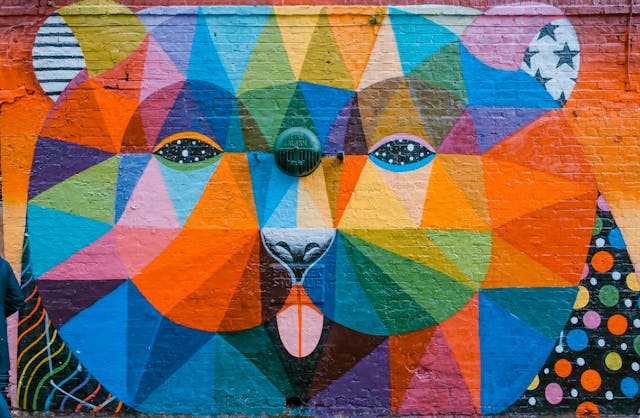
In the bustling streets of New York City, vibrant murals adorn the facades of buildings, transforming urban landscapes into vivid canvases that tell powerful stories. These murals are not merely splashes of color or decorative elements; they are dynamic expressions of culture, identity, and social commentary. As we navigate the city, it’s essential to understand why these large-scale artworks resonate so deeply and what they signify beyond their aesthetic appeal.
A Canvas for Expression
At their core, murals serve as a canvas for artists to convey their thoughts and emotions. In a city as diverse as New York, the themes explored in these artworks reflect the myriad experiences of its inhabitants. From community pride to social justice, NYC’s murals encapsulate the voices of those often marginalized in mainstream narratives.
Take, for instance, the iconic murals in Harlem that celebrate Black culture and history. Artists like Faith47 and Daze have used their brushes to honor the resilience of the African American community, creating pieces that resonate with both locals and visitors. These murals do more than beautify; they educate and inspire, serving as visual reminders of the struggles and triumphs that have shaped the city.
A Response to Social Issues
In recent years, many murals have emerged as responses to pressing social issues. Artists use their talents to provoke thought and spark conversations about topics such as racial inequality, immigration, and environmental concerns. The “We Are All Immigrants” mural on the Lower East Side, for example, poignantly addresses the immigrant experience, inviting viewers to reflect on their own stories and the collective narrative of New York.
This trend is particularly evident in areas like Bushwick, where the street art scene has flourished. Here, murals often act as a form of protest, challenging viewers to engage with the political landscape. The bold strokes and vivid imagery create a dialogue, urging us to consider our roles in societal change. These pieces remind us that art is a powerful tool for activism, capable of moving hearts and minds.
Community Engagement and Empowerment
Murals also foster a sense of community. Many projects involve local residents in the creation process, turning walls into collaborative efforts that reflect the collective spirit of a neighborhood. Initiatives like the Bushwick Collective and the Gowanus Canal Conservancy have brought together artists and locals, transforming once-neglected spaces into vibrant hubs of creativity.
This collaborative approach empowers communities, giving them a voice in how they are represented. When residents contribute to a mural, they are not just passive observers; they are active participants in their environment. This sense of ownership can lead to increased pride in one’s community, creating a ripple effect that encourages further engagement and revitalization.
The Evolution of Murals
Historically, murals have roots in ancient civilizations, serving as a means of storytelling and cultural preservation. In NYC, this tradition has evolved, with contemporary artists blending traditional techniques with modern themes. The result is a rich tapestry of styles and messages that reflect the ever-changing landscape of the city.
One notable example is the work of artists like Shepard Fairey, whose politically charged murals challenge societal norms and advocate for change. His iconic “Hope” poster from the 2008 Obama campaign is a prime example of how murals can transcend local contexts, reaching global audiences. NYC’s walls become a stage for these dialogues, demonstrating that art is not confined to galleries; it thrives in the public sphere.
The Impact of Technology
In the digital age, murals have also found new life through social media. Platforms like Instagram and TikTok allow artists to share their work with a wider audience, enabling them to connect with fans and fellow creators across the globe. This online visibility can elevate local artists, bringing attention to their messages and fostering a sense of community beyond geographical boundaries.
Moreover, the rise of augmented reality (AR) technology has introduced exciting possibilities for murals. Some artists are experimenting with AR to enhance their works, allowing viewers to interact with the art in new ways. Imagine standing in front of a mural that comes to life through your smartphone, adding layers of meaning and engagement. This fusion of art and technology creates a dynamic relationship between the artwork and its audience.
The Future of NYC Murals
As we look to the future, the role of murals in NYC will undoubtedly continue to evolve. With ongoing discussions about gentrification and cultural preservation, artists will face the challenge of balancing their creative expressions with the realities of an ever-changing urban environment.
However, one thing remains clear: murals will continue to be a vital part of New York’s identity. They will serve as reminders of the city’s rich history, cultural diversity, and the ongoing struggles for justice and equality. Each brushstroke carries the weight of stories waiting to be told, and each mural stands as a testament to the resilience of the human spirit.

