

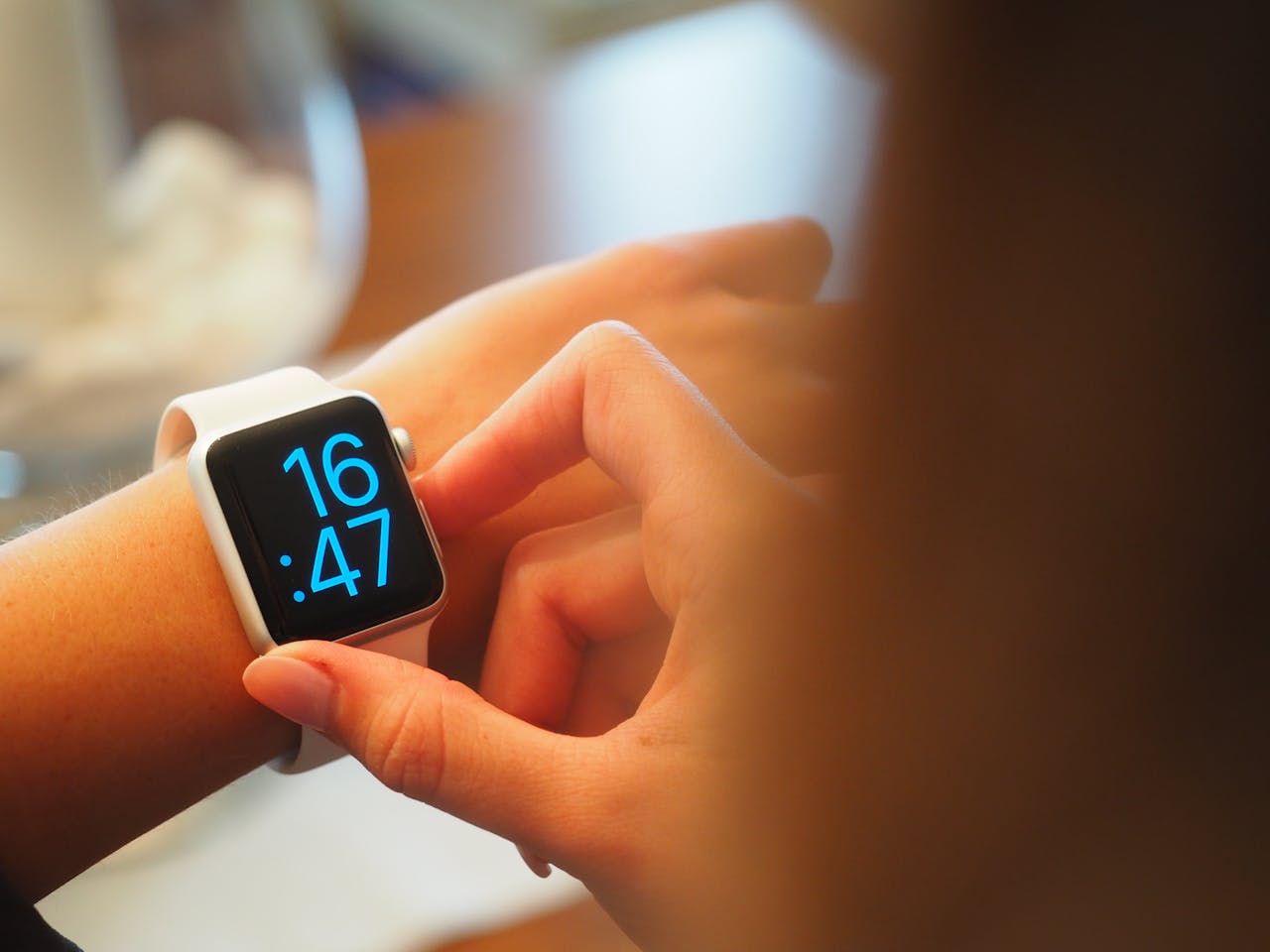
As New York City prepares for its annual dance with darkness, the end of daylight saving time on November 3, 2024, brings unique challenges to our urban landscape. While most Americans simply adjust their clocks, New Yorkers face a distinctive set of circumstances in a city where the pace never slows. The earlier sunset will transform the city’s famous skyline sooner each day, creating a longer period of illuminated nights that make the city’s nickname – “The City That Never Sleeps” – even more fitting.
Adapting to Daylight Saving Time in 2024
For New Yorkers, the time change means more than just setting clocks back. The city’s vibrant evening culture adapts as restaurants, theaters, and galleries adjust their peak hours. While many celebrate the extra hour of sleep, this daylight saving time in 2024 creates a different energy in the city streets. Bryant Park’s Winter Village and other seasonal attractions become even more magical as they light up the earlier evenings, helping maintain the city’s bustling atmosphere despite the darkness.
The Health Factor in the Concrete Jungle
Daylight saving time in 2024’s health impacts are particularly relevant for urban dwellers. New York’s fast-paced lifestyle, combined with the shift in natural light, requires special consideration. Medical experts, including those from NYC’s prestigious hospitals, recommend maintaining consistent sleep schedules and maximizing exposure to natural light during shorter days. Central Park and the High Line become even more crucial as spaces for New Yorkers to soak in valuable daylight during lunch breaks.
Parent’s Guide to Daylight Saving Time in 2024
For families navigating the city’s schedule, the transition requires extra planning. Experts suggest using the city’s numerous indoor activities and museums to keep children active when darkness falls earlier. The American Museum of Natural History and other cultural institutions offer perfect environments for afternoon activities, helping maintain children’s energy levels and sleep schedules during daylight saving time in 2024.
Historical Context and Modern Urban Life
While daylight saving time began nationwide in 1918, its impact on New York City has evolved significantly. Today’s metropolitan lifestyle, with its 24/7 operations and constant illumination, presents a different scenario than the energy-saving concerns of the past. The city’s unique position as a global financial center means the time change affects not just local schedules but international business operations as well.
The City’s Rhythm and Adaptation
As one of the few places truly operating around the clock, New York demonstrates remarkable adaptability to the time change. From adjusting subway schedules to modifying building lighting systems, the city’s infrastructure smoothly transitions to accommodate the shift. The earlier darkness actually enhances many aspects of city life, from the twinkling city lights to cozy restaurant scenes.
The City Navigating Daylight Saving Time in 2024
As New Yorkers reflect on another seasonal change, we’re reminded of our city’s unique relationship with time and light. While the rest of the country might slow down with earlier evenings, New York City transforms, showcasing why it remains a beacon of resilience and adaptability. Whether bathed in natural light or illuminated by millions of artificial lights, the city’s energy persists, proving that in New York, it’s not about how many hours of daylight we have – it’s about how we use every moment, in light or darkness, to keep the city’s heartbeat strong and steady.

