
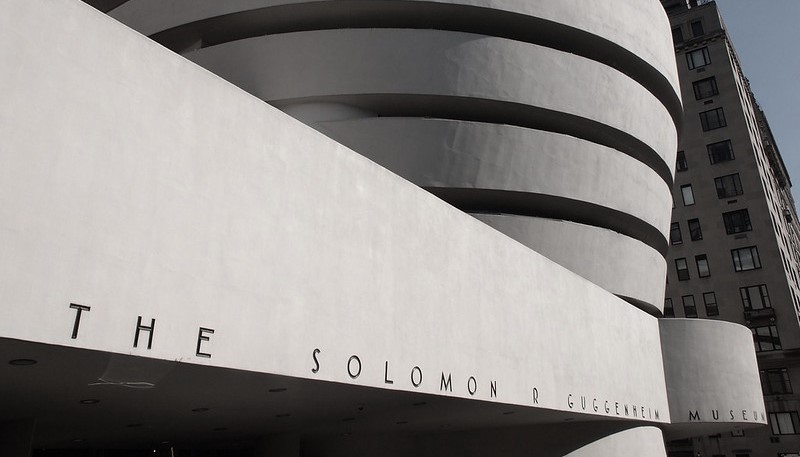
The upcoming exhibition “Harmony and Dissonance: Orphism in Paris, 1910–1930” is set to open on November 8, 2024, and will run until March 9, 2025, at the Solomon R. Guggenheim Museum of New York. This highly anticipated showcase will feature approximately 100 artworks, all displayed in the museum’s iconic rotunda. The exhibition explores the vibrant abstract art movement known as Orphism, which emerged in the early 1910s when the rapid advancements of modern life reshaped perceptions of time and space. The exhibition is organized by Tracey Bashkoff, Senior Director of Collections and Senior Curator, and Vivien Greene, Senior Curator of 19th- and Early 20th-Century Art.
Orphism was a significant artistic movement in Paris during the early 20th century. Vibrant colors, geometric shapes, and abstract imagery characterized it. The artists associated with Orphism sought to capture the essence of modern life and convey a sense of dynamism and energy through their artworks. They embraced the innovations brought about by technology and science, which were transforming society at an unprecedented pace.
The exhibition “Harmony and Dissonance: Orphism in Paris, 1910–1930” will provide visitors with a unique opportunity to explore the diverse range of artworks created by Orphist artists during this transformative period. The exhibition will showcase paintings, sculptures, and other forms of visual art that exemplify the principles and techniques of Orphism. Visitors can witness firsthand the dynamic interplay of colors, shapes, and forms that define this influential art movement through these artworks.
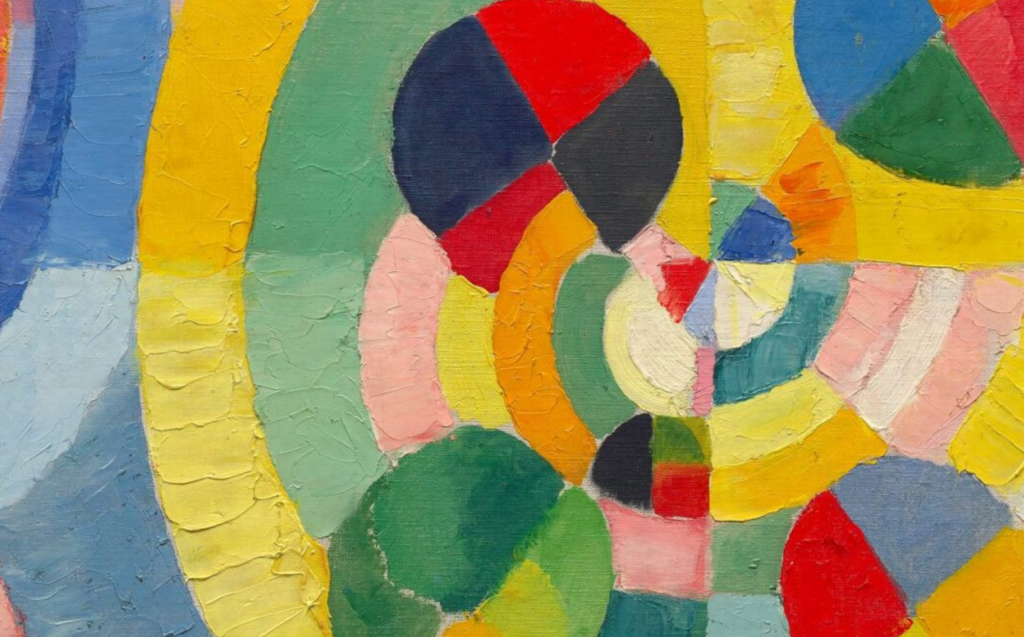
One of the key themes explored in this exhibition is the concept of harmony and dissonance within Orphism. The artists sought to create a harmonious balance between colors and forms while embracing dissonance and tension. This tension was often achieved through juxtaposing contrasting colors and shapes, creating a visual language that was both exciting and thought-provoking.
The exhibition’s curators, Tracey Bashkoff and Vivien Greene, have carefully selected artworks that exemplify the principles of Orphism and highlight the movement’s range of artistic expressions. The exhibition will provide visitors with a comprehensive overview of Orphism, its historical context, and its lasting impact on the art world.
In conclusion, “Harmony and Dissonance: Orphism in Paris, 1910–1930” promises to be a captivating exhibition that will shed light on the vibrant abstract art movement of Orphism. With its focus on the interplay between harmony and dissonance, this exhibition will offer visitors a unique insight into the innovative techniques and artistic vision of the Orphist artists. This exhibition is not to be missed for art enthusiasts and those interested in exploring the transformative period of early 20th-century art.
Read Also:
10 Iconic Movie Sets in NYC: A Cinematic Tour Through The Big Apple

