
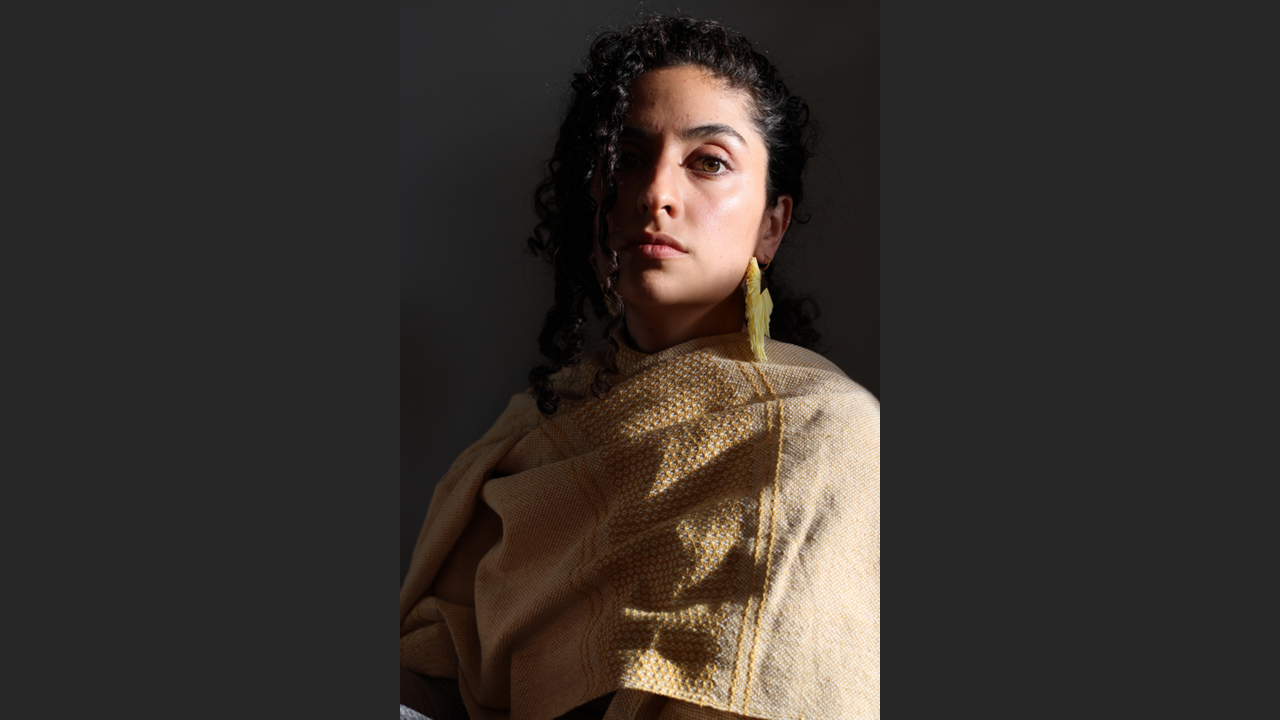
Ana Lucía Merla López stands at the forefront of multidisciplinary design, carving a unique path from her roots in Mexico to becoming a leading innovator in the United States. Her journey exemplifies the transformative power of design when coupled with a strong social conscience and a diverse educational background.
From urban planning to healthcare innovation, Ana Lucía’s work spans a remarkable range of disciplines, each project underscoring her commitment to addressing complex societal issues through creative and technological solutions. Her achievements, including national design awards and groundbreaking research, highlight the impact of her multifaceted approach to design.
In this exclusive interview, we explore the experiences, projects, and philosophies that have shaped Ana Lucía’s remarkable career. Her story offers invaluable insights into the intersection of design, technology, and social impact, demonstrating how innovative thinking can drive positive change in our world.
New York Art Life: Ana Lucía, your journey from Mexico to becoming a multidisciplinary designer in the U.S. is genuinely inspiring. Can you share how your educational experiences have influenced your career trajectory?
Ana Lucía Merla López: My educational journey has been pivotal in shaping who I am as a designer. Graduating as valedictorian with a Bachelor in Integral Design from Universidad Autónoma Metropolitana in Mexico City provided a strong foundation for my multidisciplinary approach. Building on that, my time at Harvard University, where I earned a Master in Design Engineering with distinction, further expanded my perspective. My thesis, “Democratizing Health Access,” focused on innovative solutions using menstrual blood as a non-invasive preventative care tool. This project reflects my commitment to using design as a means to tackle pressing social and health challenges. Each step in my education has deeply influenced my ability to merge creativity with purpose in my work.
New York Art Life: Your master’s thesis project, Zia, explores using menstrual blood as a non-invasive diagnostic tool. How did the overturning of Roe v. Wade impact your work on this project?
Ana Lucía Merla López: Designing Zia during the overturn of Roe v. Wade was a profoundly intense experience. As I was developing a tool to empower women with knowledge about their bodies, the constitutional right to abortion was being eliminated in the United States. This juxtaposition added a new layer of urgency and meaning to my work.
The timing made me acutely aware of the political dimensions of women’s health. Zia wasn’t just a health tool anymore; it became a statement on women’s autonomy and the right to understand and make decisions about our own bodies. I realized that in a world where reproductive rights can be suddenly restricted, tools like Zia become even more crucial. They offer women a way to monitor their health independently, which is especially important in areas where access to women’s healthcare might be limited or legally complicated.
This experience reinforced my belief in the power of design to address complex social issues. It showed me that even as a designer, my work can have significant implications in the broader context of women’s rights and healthcare access.
New York Art Life: Your undergraduate thesis focused on access to justice for people with visual and hearing impairments. What challenges did you face in designing for the blind community?
Ana Lucía Merla López: Working on accessibility in the legal system for people with visual impairments presented a fascinating paradox: how do you create graphic design for those who can’t see? This challenge forced me to completely reconsider my approach to design. Traditionally, graphic design relies heavily on visual elements to communicate information. However, when designing for the blind community, I had to think beyond the visual and explore multisensory design principles. This meant developing tactile information systems, using textures and raised surfaces to convey information that would typically be visual.
I also delved into audio-based interfaces, considering how information could be structured and presented aurally in a clear, intuitive way. This process taught me that effective design isn’t always about what we can see – it’s about how we can make information accessible and understandable for everyone, regardless of their sensory abilities.
New York Art Life: You’ve worked on some innovative environmental projects. Could you tell us about the Dandelion project?
Ana Lucía Merla López: The Dandelion project was an exciting venture where I co-led the design of biodegradable soil probes for environmental monitoring. We combined sustainable materials like chitosan with cutting-edge remote sensing technologies. The probes use colorimetry and microfluidics for soil analysis, offering an eco-friendly solution for environmental data collection. This project perfectly encapsulates my interest in merging sustainability with innovative design solutions.
New York Art Life: Your work at the Laboratory for Design Technologies seems to be at the forefront of urban planning and housing solutions. Can you share more about your role there?
Ana Lucía Merla López: At the Laboratory for Design Technologies, I serve as the Multidisciplinary Design Lead and Research Associate. One of our standout projects is Open Zoning, which was recognized at the 2024 National Planning Conference. As the Design Lead for this project, I worked on transforming zoning codes into accessible, machine-readable data, focusing on equitable housing solutions. I also led the integration of design, branding, and user experience for Sidecar Homes, an innovative project addressing affordable housing through streamlined ADU (Accessory Dwelling Unit) development. This project was selected for the Harvard President’s Innovation Challenge, which was a great honor.
New York Art Life: As a multidisciplinary designer, how do you see the role of design in addressing complex societal issues?
Ana Lucía Merla López: I believe design has a crucial role in addressing complex societal issues. It’s not just about creating aesthetically pleasing objects or interfaces; it’s about solving problems and improving lives. For instance, my master’s thesis project, Zia, explored how design could revolutionize women’s health by using menstrual blood as a non-invasive diagnostic tool. This project epitomizes how design can bridge the gap between technology, healthcare, and social needs. I see design as a powerful tool for social change, capable of making complex systems more accessible, sustainable, and equitable.
New York Art Life: Looking ahead, what areas of design or societal challenges are you most excited to tackle in the future?
Ana Lucía Merla López: I’m particularly excited about the potential of design in addressing climate change and promoting sustainable living. I believe there’s enormous potential in creating innovative solutions that make sustainable choices more accessible and appealing to the general public. I’m also keen on exploring further applications of design in healthcare, particularly in preventative care and personalized medicine. Additionally, I see great opportunities in using design to address issues of equity and inclusion, whether in urban planning, education, or digital access. The challenges we face as a society are complex, but I believe that thoughtful, multidisciplinary design approaches can play a crucial role in creating a more sustainable and equitable future.
Ana Lucía Merla López’s journey from Mexico to becoming a multidisciplinary design innovator in the United States is a testament to the transformative power of design when coupled with social consciousness and diverse expertise. Her work, spanning environmental sustainability, urban planning, healthcare innovation, and social equity, demonstrates the vast potential of interdisciplinary design thinking in addressing complex societal challenges.
What sets Ana Lucía apart is not just her technical skill or creative vision, but her unwavering commitment to leveraging design as a tool for positive change. Whether it’s democratizing legal access for the sensory impaired, creating sustainable environmental monitoring solutions, or revolutionizing urban planning for more equitable housing, her projects consistently aim to make a tangible difference in people’s lives. As we look to the future, Ana Lucía’s approach offers valuable lessons for both aspiring designers and established professionals. Her career underscores the importance of a holistic education, the value of diverse experiences across different sectors, and the power of merging creativity with social responsibility. In a world grappling with complex challenges, from climate change to social inequality, Ana Lucía’s work serves as an inspiring example of how designers can contribute to building a more sustainable, equitable, and innovative future.
Read Also:
Spotlight on Sy Chounchaisit: Multidisciplinary Artist
NYC Sports Complex Experience: Chelsea Piers
Benefits of AI and Art Creation – Your 7 Essential AI Art Tips!

