

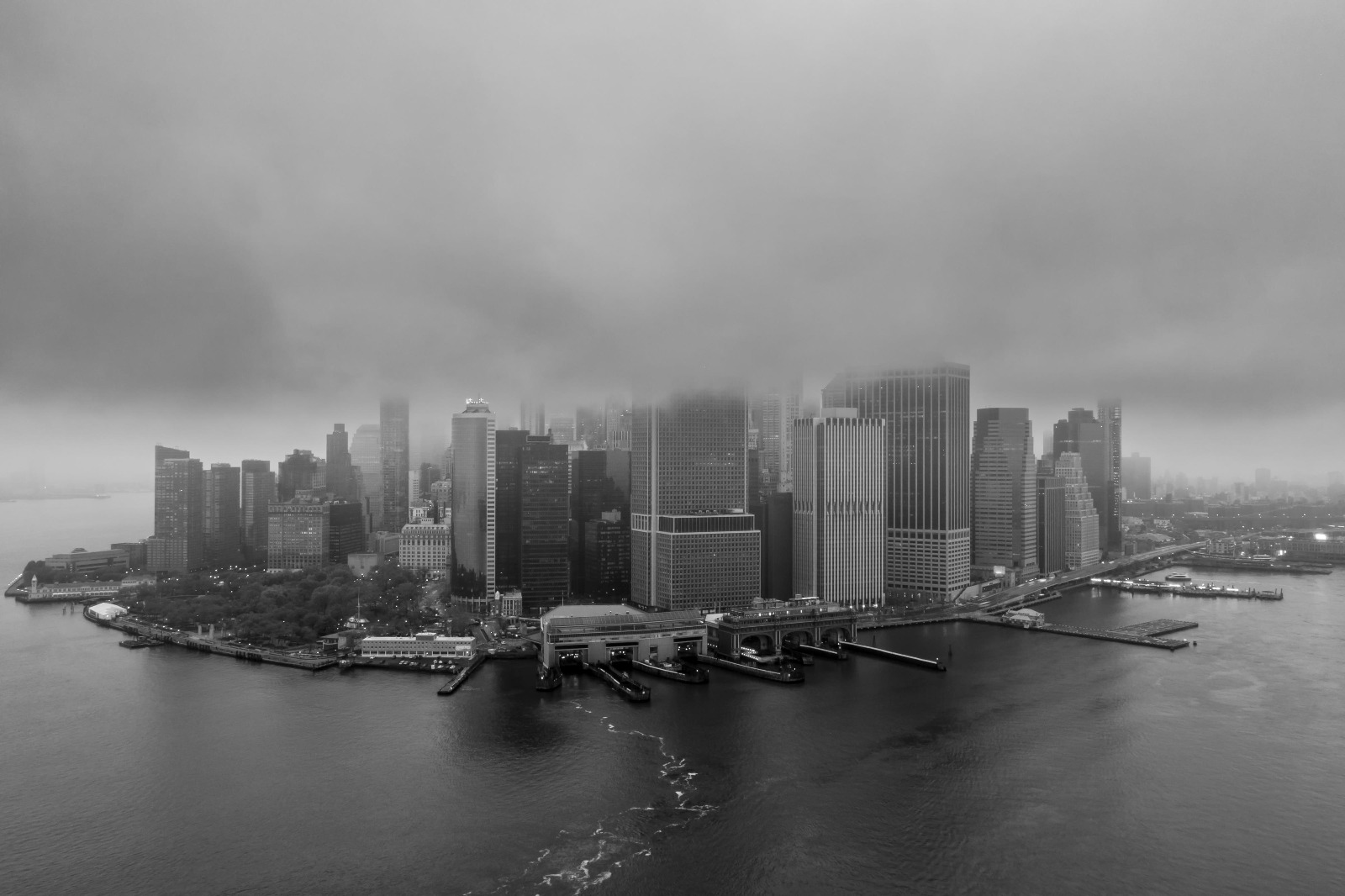
New York City, a metropolis of towering skyscrapers, bustling streets, and vibrant culture, might not be the first place that comes to mind when thinking about hurricanes. Yet, the Big Apple has a long and tumultuous history with these powerful storms. From the early days of Dutch settlement to the present, hurricanes have shaped the city’s landscape, infrastructure, and even its collective psyche. As climate change looms large on the horizon, understanding New York’s hurricane history becomes not just a matter of curiosity, but of vital importance for the city’s future.
In this exploration of New York’s relationship with hurricanes, we’ll journey through time, examining the most significant storms that have battered the city’s shores. We’ll delve into how these natural disasters have influenced New York’s art, culture, and lifestyle, and peer into the crystal ball of climate science to understand what the future might hold. So, batten down the hatches and prepare for a whirlwind tour of New York’s hurricane history.
The Early Years: When New Amsterdam Faced the Tempest
Long before New York was New York, when it was still the Dutch colony of New Amsterdam, hurricanes were already making their presence known. The earliest recorded hurricane to hit the area was in 1278, long before European settlement. But it was the hurricane of 1634 that gave the Dutch colonists their first taste of the Atlantic’s fury. This storm caused significant damage to the fledgling settlement, destroying crops and livestock, and reshaping the coastline.
As the colony grew into a city, hurricanes continued to leave their mark. The Great Storm of 1693 was particularly devastating, causing widespread destruction and flooding. It’s said that the storm surge was so powerful it created a new inlet on Long Island, temporarily turning it into two separate islands. These early hurricanes not only shaped the physical landscape but also influenced the development of early New York architecture and city planning, as settlers learned to build sturdier structures and choose safer locations for their homes and businesses.
The 19th Century: Industrial New York Meets Nature’s Wrath
As New York entered the 19th century and the Industrial Revolution took hold, the city’s relationship with hurricanes became more complex. The growing population and increasing infrastructure meant that storms had the potential to cause even greater damage. The Norfolk and Long Island Hurricane of 1821 was a wake-up call for the burgeoning metropolis. The storm surge raised the tide a staggering 13 feet in just one hour, flooding all of lower Manhattan up to Canal Street.
This period also saw the birth of a uniquely New York phenomenon: hurricane parties. As weather forecasting improved and New Yorkers could anticipate the arrival of storms, some brave (or foolhardy) souls began to throw parties to “weather the weather.” These gatherings, often held in the city’s most flood-prone areas, became a testament to the indomitable New York spirit in the face of nature’s fury.
The Great New England Hurricane of 1938, which narrowly missed a direct hit on New York City, served as another reminder of the city’s vulnerability. The storm’s near-miss spurred city officials to begin considering more robust flood protection measures, laying the groundwork for future resilience efforts.
The Modern Era: Hurricane in the Age of Skyscrapers
As New York City grew vertically in the 20th century, its hurricane risk evolved. The towering skyscrapers that define the city’s iconic skyline created new challenges in the face of high winds. Hurricane Donna in 1960 was the first major storm to test the city’s modern infrastructure, causing widespread power outages and transportation disruptions.
But it was Hurricane Sandy in 2012 that truly brought home the reality of New York’s hurricane vulnerability in the modern age. The superstorm caused unprecedented damage, flooding subway tunnels, knocking out power to millions, and reshaping parts of the city’s coastline. The storm’s impact went beyond physical damage, leaving an indelible mark on New York’s psyche and sparking a renewed focus on climate resilience.
Sandy’s aftermath saw a flourishing of climate-themed art and performances across the city. From installations in flooded subway stations to climate change-inspired Broadway shows, New York’s creative community responded to the disaster with characteristic ingenuity and resilience. The storm also influenced the city’s culinary scene, with an increased focus on sustainable, locally-sourced ingredients and “storm-proof” menu planning.
Looking to the Future: New York in a Changing Climate
As we look ahead, the specter of climate change looms large over New York’s hurricane future. Climate scientists predict that while the overall number of hurricanes may not increase, the storms that do form are likely to be more intense. Sea level rise compounds the threat, making storm surges potentially more devastating.
The city has responded to this threat with ambitious plans. The “Big U” project, a proposed 10-mile-long flood protection system around Lower Manhattan, is just one example of how New York is preparing for a stormier future. Meanwhile, “managed retreat” has entered the city’s lexicon, with some low-lying neighborhoods considering the possibility of gradually moving to higher ground.
These changes are reflected in New York’s cultural landscape. Climate-conscious art installations have become commonplace in the city’s galleries and public spaces. Restaurants are increasingly featuring “climate-friendly” menus, showcasing ingredients that can thrive in changing weather patterns. Even fashion week has seen the emergence of “storm-chic” collections, blending style with practicality for an uncertain climate future.
Weathering the Hurricane
Despite the challenges posed by hurricanes, past and future, New York’s indomitable spirit shines through. The city that has weathered countless storms continues to adapt and evolve. Community organizations have sprung up in vulnerable neighborhoods, fostering resilience at the grassroots level. Artists and designers are reimagining how the city can live with water, creating visions of a Venice-like New York with canals instead of streets.
This resilience is perhaps best exemplified by the annual “Hurricane Festival” that has emerged in recent years. This event, held at the peak of hurricane season, celebrates the city’s ability to bounce back from adversity. It features weather-themed art installations, “hurricane-proof” cooking competitions, and even a “Miss Hurricane” pageant where contestants showcase outfits designed to withstand gale-force winds.
As New York faces an uncertain climate future, its approach to hurricanes serves as a microcosm of the city’s broader attitude: face challenges head-on, adapt creatively, and always keep moving forward. The story of New York and hurricanes is far from over, but if history is any guide, the city will continue to ride out the storms with characteristic style and resilience.
The Eye of the Storm
New York’s hurricane history is a testament to the city’s resilience, adaptability, and innovative spirit. From the early Dutch settlers to today’s climate-conscious urban planners, New Yorkers have always found ways to live with the threat of storms. As we look to the future, the challenges posed by climate change and more intense hurricanes are significant, but so too is the city’s determination to meet them.
The story of New York and hurricanes is not just about weather patterns and infrastructure. It’s a story about people – about communities coming together in times of crisis, about artists finding inspiration in adversity, and about a city that refuses to be defined by its challenges. As New York continues to evolve in the face of changing climate realities, one thing remains certain: whatever storms may come, the city that never sleeps will always find a way to weather them, with style, creativity, and an unwavering spirit that is uniquely New York.
Also read:
Why NYC’s Murals Are More Than Just Paint on Walls
4 Unique Ways to Experience New York’s Iconic Statue of Liberty

