
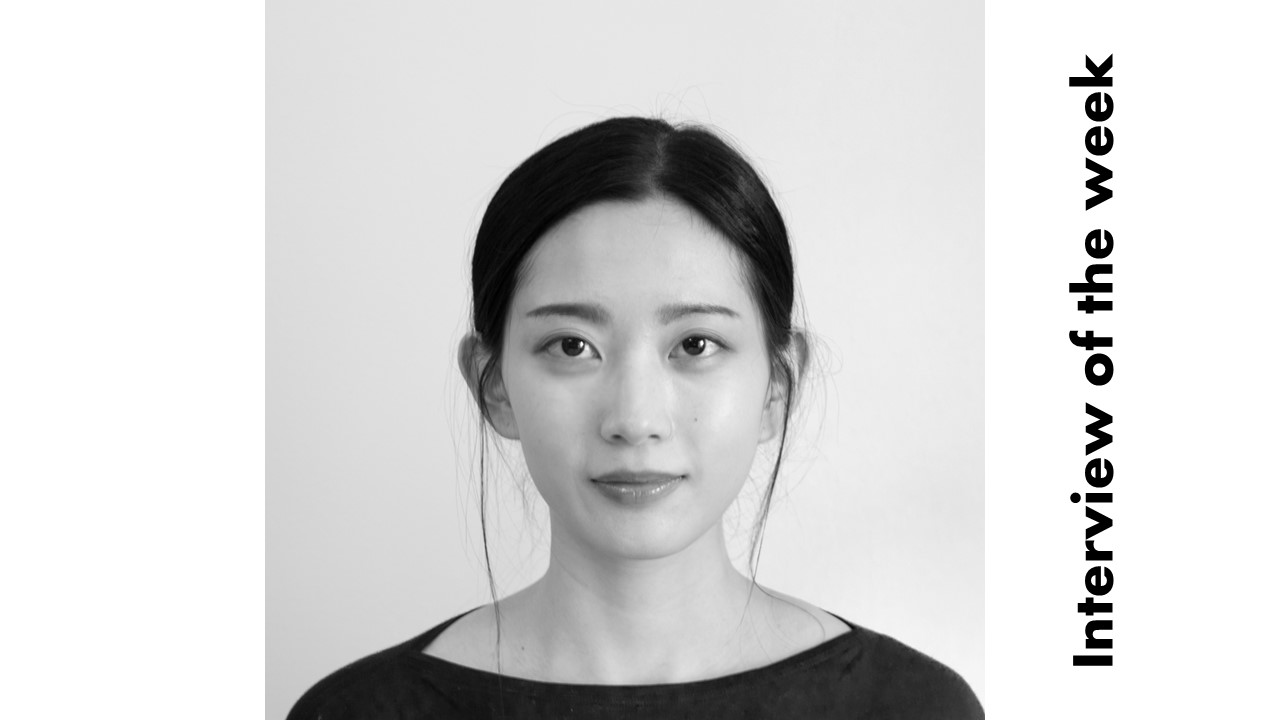
This week, the New York Art Life has brought us an electrifying feature, setting the design world ablaze! We’re diving into the creative universe of Shifandi Sun, a Chinese designer whose visionary approach is revolutionary. Shifandi isn’t just designing; she’s reimagining the fabric of our daily lives through her work. Her mantra? Designing for people’s needs by challenging the traditional boundaries that define our interaction with the objects around us. Prepare to be swept away by a tidal wave of innovation and insight that will shake up our thinking about design!
Shifandi Sun’s journey is a compelling narrative of breaking molds and daring to disrupt the user’s lifestyle creatively. With user experience as her compass, she navigates through uncharted design territories, seeking not just to meet but to anticipate the needs and desires of those who interact with her creations. This isn’t just about making things look pretty; it’s about crafting experiences that resonate on a deeply personal level, transforming everyday interactions into moments of joy and discovery.
At the heart of Shifandi’s design philosophy lies a belief that is both simple and profound: design should expand and adapt to our lives, not the other way around. She envisions a world where our surroundings are in harmony with our needs, evolving as we do in a seamless dance of form and function. Her designs are a testament to this vision, embodying a union between comfort and beauty, ergonomics and intuition. This is where art meets life in a symphony of shapes and textures that speak directly to the soul.
Shifandi Sun’s appearance in this week’s New York Art Life is more than an interview; it’s a clarion call to all of us to rethink our relationship with the material world. It challenges us to imagine a future where design serves as a bridge between our dreams and reality, enhancing our everyday lives in ways we’ve yet to imagine. So, let’s embark on this journey with Shifandi Sun, exploring the limitless possibilities of design driven by empathy, innovation, and a deep understanding of human needs.
New York Art Life Magazine: Let’s start with the splendid words spoken by the IDSA of Providence: ‘Shifandi significantly contributes to expanding the chapter’s influence, nurturing member relationships, and boosting community engagement. Her innovative spirit and entrepreneurial drive are key in propelling the design community toward new heights. Through her educational and professional experiences, Shifandi consistently demonstrates a commitment to human-centered design and advocates for enhanced market and user research methodologies that more deeply consider human relationships.’

Shifandi Sun: I am very grateful to ISDA, which makes me proud to have been mentioned. The IDSA is also known as the Industrial Designers Society of America. It has been a prestigious organization at the forefront of the industrial design industry since its establishment in 1965. With a history spanning over five decades, the IDSA has played a crucial role in shaping the field of industrial design and promoting innovation and creativity as one of the oldest and largest industrial design associations. It continues to provide its members with valuable resources, support, and recognition, contributing to the profession’s advancement. Its dedication to excellence and commitment to fostering collaboration and knowledge-sharing make it an invaluable asset to me and all designers and enthusiasts alike.
New York Art Life Magazine: Your fearless approach to innovation, unwavering commitment to enhancing the user experience, and ability to weave emotion and practicality into every thread of your work. Your designs are not just objects; they’re companions on our journey through life, adapting to our changing needs and inspiring us to see the world in new ways. What sets you apart in the bustling world of design?
Shifandi Sun: I prioritize the users’ needs and identity in my creative process, placing them at the forefront of every project. I believe in understanding the deep-seated needs of people and carefully addressing them in ways beyond functional aspects. So, I aim to enhance daily life on an emotional and social level. I see an opportunity to innovate and challenge conventional solutions with each design challenge. My design philosophy centers on creating functional yet aesthetically refined products that deeply resonate with users. I emphasize the importance of design that looks appealing and enhances the user experience, seamlessly fitting into the user’s lifestyle and environment. One of my favorite quotes encapsulating this approach is by Steve Jobs: “Design is not just what it looks and feels like. Design is how it works.” This quote underscores my belief in the functionality of design as its most critical attribute.
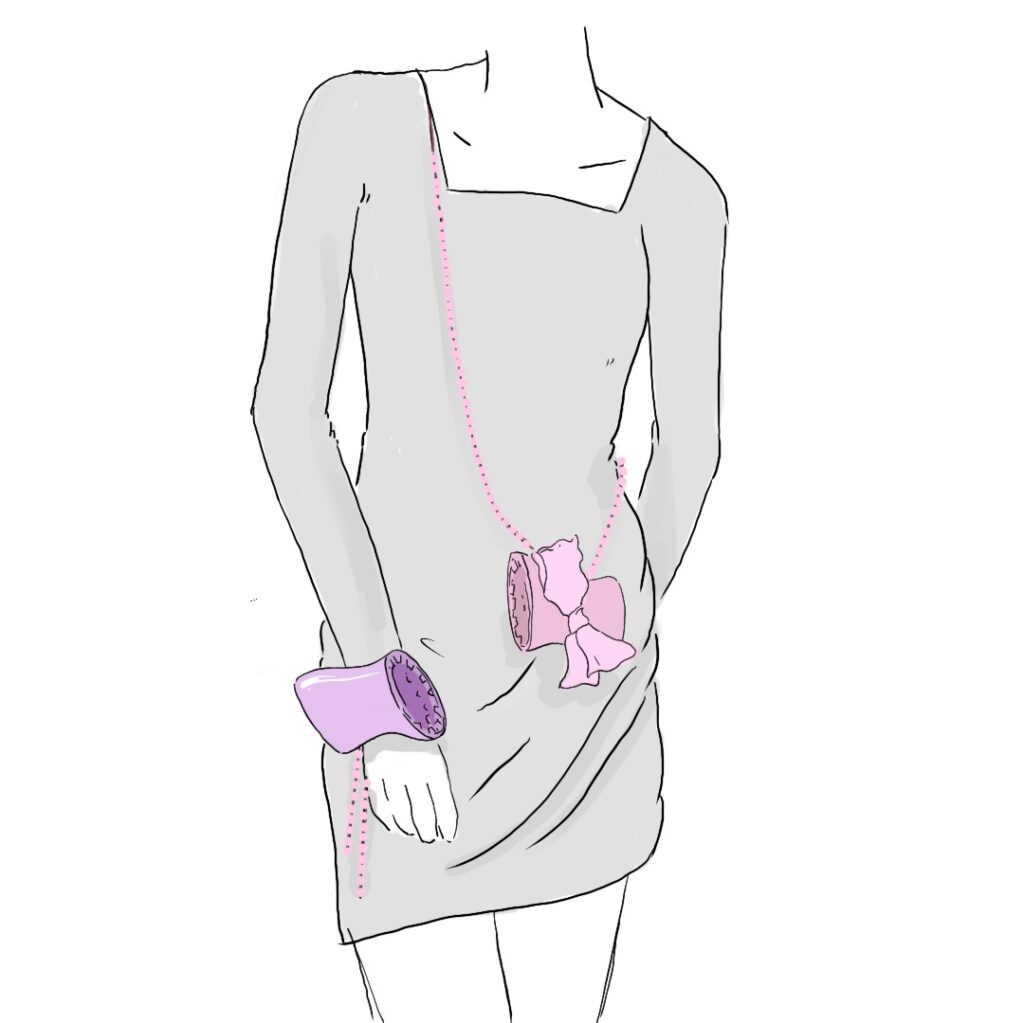
New York Art Life Magazine: The “Pop Bow” pacifier-holding system is a standout project in your portfolio. This innovative design has garnered significant praise, particularly from parents seeking products that combine functionality and style. Traditionally, designers have focused solely on the functionality of objects linked to childhood, neglecting the importance of aesthetics. However, you have successfully merged functionality and style in the Pop Bow, opening up a new field for designers to explore. By prioritizing both aspects, you have created a product that serves its purpose effectively and appeals to the modern consumer’s desire for visually pleasing designs. This successful integration of functionality and style could inspire designers to consider this approach in other childhood-related objects, leading to a new era of aesthetically pleasing and practical designs in this field.
Shifandi Sun: One of the main challenges was creating a functional and fashionable product. Parents often have to sacrifice personal style for practicality regarding baby products. I wanted to design something that could provide the practical benefits of a traditional pacifier holder but also resonate with the individual style and identity of the parent. The solution was to integrate functionality with aesthetic appeal in a way that isn’t typical for baby products. Pop Bow features a modular design with swappable center parts, allowing it to be customized to suit different tastes and occasions. This customization makes the product more versatile and turns it into a fashion accessory, not just a utility item.
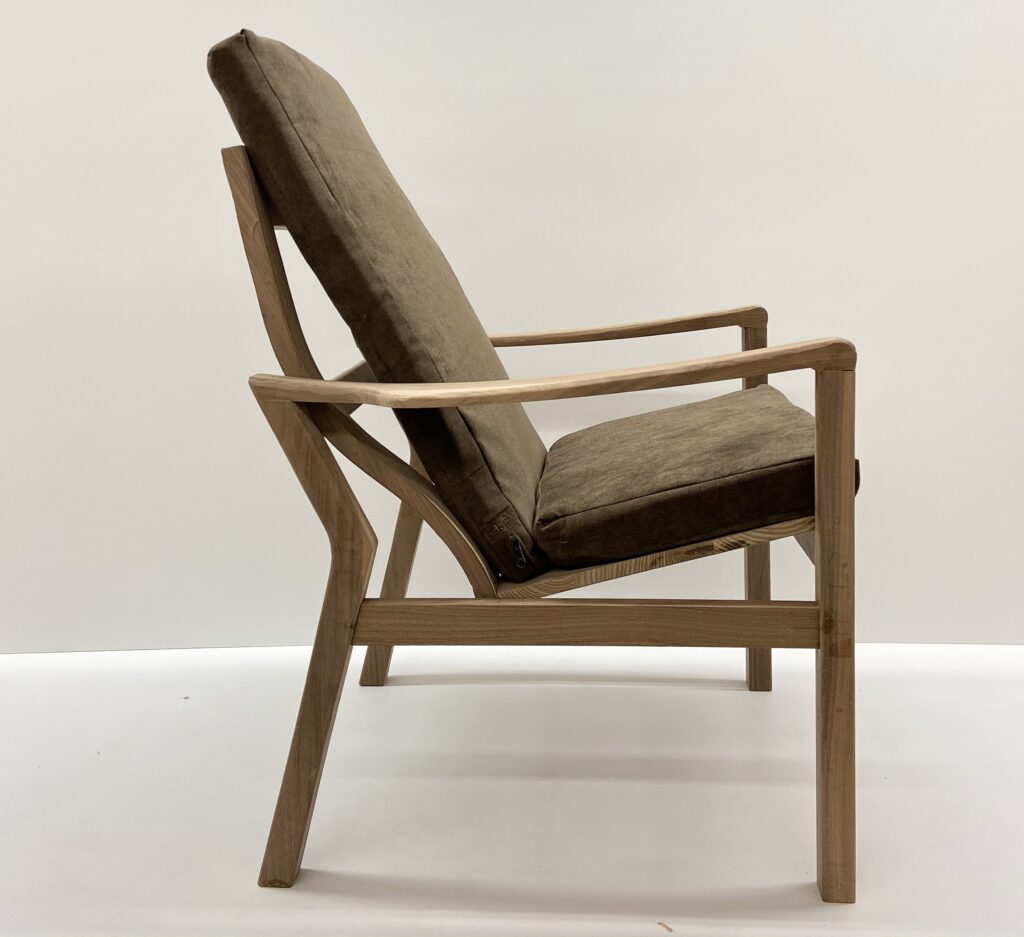
New York Art Life Magazine: Every talented designer in the history of design has faced a challenging but exciting theme—the design of a chair. The designer is often associated with his chair. See Ludwig Mies van der Rohe with his Barcelona, Eames Lounge Chair, Ghost Chair of Philippe Stark, and Roly-Poly Chair by designer Faye Toogood. Tell us about your elegant and functional creation. Lounge Chair with such a challenging name as APHRODIE
Shifandi Sun: The central concept of the lounge chair revolves around the perfect combination of comfort and elegance. I designed my APHRODIE to provide a comfortable yet refined sitting posture, making it suitable for various activities, including relaxation and social interactions. These design elements added aesthetic appeal and provided excellent elbow and back support, enhancing the overall user experience. I was inspired by iconic pieces of Danish furniture design, such as Finn Juhl’s 45 Chair. Finn Juhl was a pioneer of Danish design.
The name takes its name from the year it was designed in 1945. This extraordinary piece of modern design was one of the first to break with tradition by freeing the seat and backrest from the structure. The elegance and the softness of the lines inspired me. Design must respond to user needs while breaking with tradition. All masterpieces in art and design arise from a break with the past.
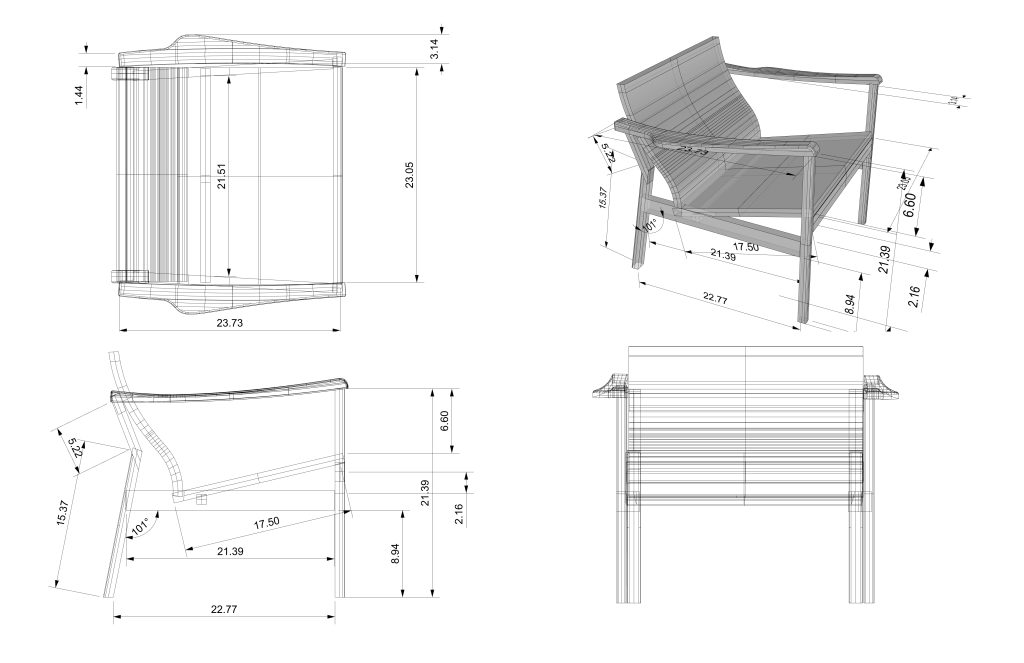
My APHRODIE is designed to provide a comfortable yet refined sitting posture, making it suitable for various activities, including relaxation and social interactions. The solid walnut and the chocolate-colored texture of the backrest and seat give it the elegant style I want. Solid walnut ensures that the chair can withstand daily use and will last for years. The design’s intricate craftsmanship and attention to detail make it a standout piece in any space. I liked the idea that it could adapt to various environments, including commercial lounges, office waiting areas, museums, hotels, …..and why not a piece of furniture in a technological interspace spaceship one day?
New York Art Life Magazine: Certainly, APHRODIE would make for an elegant and refined technological environment. One of your most iconic projects is the Charpack, a backpack specifically designed for firefighters. This backpack is functional and comfortable for carrying heavy loads over long distances and rugged terrain.
Shifandi Sun: Firefighters need to have a backpack that can withstand the demands of their profession while ensuring efficiency and safety. I decided to contribute to climate change by designing a tool capable of facilitating firefighters’ hard work in inaccessible wooded areas. The CHARPACK is made from durable materials that can withstand extreme conditions and offers ample space to store essential firefighting equipment. I spent a lot of time researching the ergonomics of the backpack. A fundamental element to ensure firefighters can carry heavy loads without straining their backs or shoulders, allowing them to concentrate on the tasks at hand. It was a project that required a lot of research from me, both on materials and aesthetics and, above all, on functionality. I am very proud of the final result.

New York Art Life Magazine: As a seasoned designer, would you like to offer three precious pieces of advice to young designers?
Shifandi Sun: With absolute pleasure. Firstly, never stop learning and expanding your skills. The design industry constantly evolves, with new tools, techniques, and trends continually emerging. Stay curious, take courses, attend workshops, and keep up with the latest advancements in design software. Secondly, embrace collaboration and seek feedback from others. Design is a collaborative process, and working with others can help refine and push your ideas to new heights. Be open to constructive criticism and learn from it to improve your work. Lastly, always prioritize user experience. Design should be visually appealing, functional, and intuitive for the end-users. Put yourself in their shoes and create user-friendly designs that enhance their experience.
Read Also:
Dario Di Cesare: A MODERN VISION OF AN ANCIENT CITY
Designing Beyond Function: Graphics and Products

