

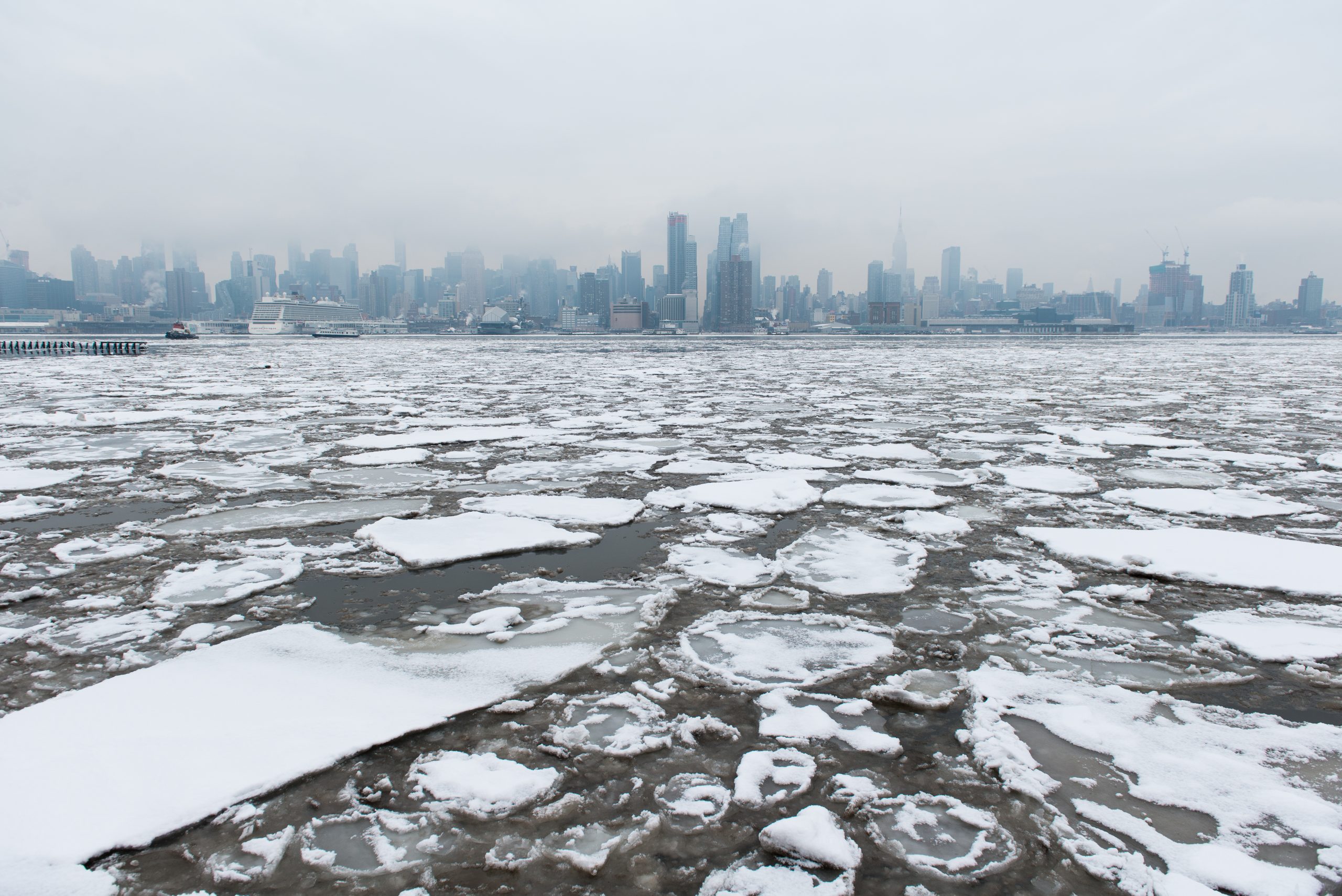
Extreme Cold and Its Dangers
The extreme cold is a force not to be reckoned lightly. It is an invisible enemy that has the power to wreak havoc on our bodies, leading to severe consequences if not adequately addressed. The human body is designed to function optimally at specific temperatures. When exposed to extreme cold, its ability to maintain this optimal temperature is challenged, leading to various health complications.
This issue is not limited to those in polar regions or high-altitude dwellers. It is a global concern, affecting millions of people every year, especially during the winter season. The risks associated with extreme cold include frostbite, hypothermia, heart problems, respiratory issues, and in dire situations, death.
A better understanding of the dangers of extreme cold is the first step towards learning how to protect yourself from extreme cold. Knowledge, coupled with the right precautions, can significantly reduce the risks associated with extreme cold exposure.
Understanding the Signs and Symptoms of Cold-Related Illnesses
Cold-related illnesses primarily include hypothermia and frostbite, which can be life-threatening if not treated promptly. Hypothermia occurs when your body loses heat faster than it can produce, leading to a dangerous drop in body temperature. The signs of hypothermia include uncontrollable shivering, memory loss, disorientation, incoherence, slurred speech, drowsiness, and apparent exhaustion.
Frostbite, on the other hand, is an injury caused by the freezing of the skin and underlying tissues. The initial signs of frostbite include redness or pain in any skin area. This may be followed by a white or grayish-yellow skin area, skin that feels unusually firm or waxy, or numbness.
Understanding these signs and symptoms helps in early detection and treatment, significantly improving the chances of survival and recovery. It also underlines the importance of learning how to protect yourself from extreme cold.
How to Protect Yourself from Extreme Cold: Top 10 Precautions
There are several precautions that one can take to stay safe in extreme cold conditions. The following are the top ten essential precautions:
- Check the Weather Forecast: Always check the weather forecast before stepping out in the cold. If extreme cold is predicted, it would be best to stay indoors.
- Dress in Layers: Layering clothes helps trap warm air close to your body, providing insulation against the cold.
- Stay Dry: Wet clothes increase the risk of hypothermia and frostbite. Avoid getting wet and change immediately if you do.
- Eat and Drink Wisely: Eating well and staying hydrated can help maintain your body temperature.
- Cover your Extremities: Keep your hands, feet, and face covered to protect them from frostbite.
- Avoid Overexertion: Overexertion can lead to sweating, which can chill the body.
- Prepare your Home: Ensure your home is adequately insulated to retain heat.
- Have an Emergency Kit: Always have an emergency kit ready in your home and car.
- Stay Informed: Stay updated with the latest information and advice from local authorities.
- Look Out for Others: Check on older people and those who are at risk to ensure they are safe.
Layering Clothes for Warmth: The Importance of Dressing Appropriately
Dressing appropriately for extreme colds is essential. The concept of layering clothes is crucial in maintaining body heat and protecting yourself from the cold. The first layer, also known as the base layer, should be made of moisture-wicking material like wool or synthetic fabrics to keep you dry. The second layer serves to insulate and retain the heat produced by your body. The third, or outermost layer, should be water and wind-resistant to protect you from the elements.
A common mistake people make while dressing for the cold is wearing cotton clothes as the base layer. Cotton absorbs moisture and takes a long time to dry, thereby increasing the risk of hypothermia. Another mistake is overdressing, leading to sweating, which can also cool the body dangerously.
Importance of Keeping Dry: Avoiding Wet Clothes
One of the significant risks during extreme cold conditions is getting wet. Wet clothes lose much of their insulating value and can dangerously accelerate heat loss from the body. This increases the risk of hypothermia and frostbite. Therefore, it is crucial to stay dry in cold weather.
If your clothes get wet, change them immediately. Always carry an extra pair of clothes if you are going out for a long time. Also, be mindful of over-exertion as it can lead to sweating, which is another way your clothes can get wet.
In addition to this, wearing waterproof shoes and gloves can help keep your extremities dry. Remember, your extremities are at a higher risk of frostbite, so keeping them dry is essential.
Fueling the Body: Eating Right and Staying Hydrated
Just as a car needs fuel to run, so does your body. Eating the right food can help keep you warm by boosting your metabolism, which in turn generates heat. Foods rich in fats and proteins are a good source of energy in the cold.
Hydration is equally important. Cold, dry air can dehydrate you quickly, and dehydration can make you more susceptible to the effects of cold. Moreover, your body needs water for digestion and metabolic processes. So, don’t wait until you are thirsty to drink water. Keep drinking at regular intervals.
Protecting Extremities: Covering Hands, Feet, and Face

Your extremities, such as your hands, feet, and face, are at a higher risk of frostbite. This is because your body, in its attempt to keep your vital organs warm, may reduce the blood flow to these areas. Therefore, it is crucial to keep these parts covered.
Wearing mittens instead of gloves can keep your hands warmer. For your feet, wear two pairs of socks – a thin, moisture-wicking layer and a thicker, insulating layer. Also, always cover your face with a scarf or face mask. Remember, if any of these items get wet, change them immediately.
Preparing Your Home for Extreme Cold
Your home is your primary defense against the cold. Ensuring it is well-prepared can make a significant difference to your comfort and safety. Here are a few tips:
- Insulate your home: Insulation helps retain the heat inside your home. Check your home for drafts and insulate the windows and doors if necessary.
- Heating system: Make sure your heating system is working correctly. Get it serviced annually to avoid any breakdowns during the winter.
- Pipes: To prevent your pipes from freezing, insulate them. Also, let the faucets drip to keep the water moving.
- Emergency supplies: Keep a stock of essential items like food, water, medicines, and fuel in case of a power outage.
Emergency Kits: What to Keep in Your Car and Home
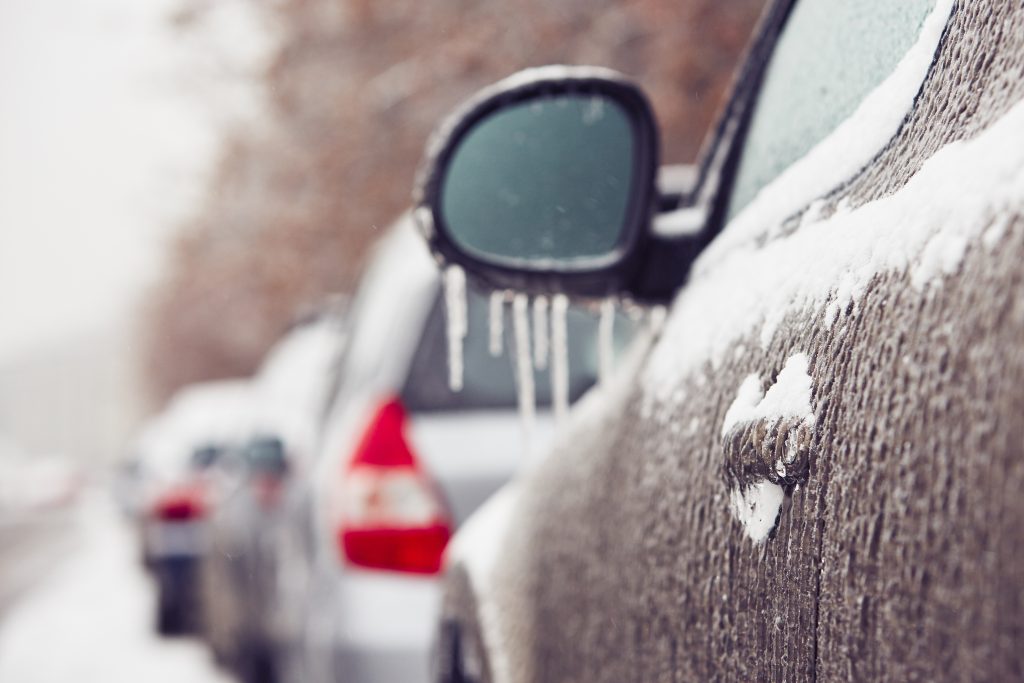
An emergency kit can be a lifesaver in extreme cold conditions. Here’s what you should include in your home and car emergency kit:
- Home emergency kit: Extra blankets, flashlights, batteries, a battery-powered radio, a first-aid kit, a 3-day supply of food and water, necessary medicines, and a manual can opener.
- Car emergency kit: A blanket, extra clothes, gloves, a first-aid kit, a flashlight with extra batteries, a windshield scraper, a shovel, tire chains, booster cables, road salts or cat litter for traction, and non-perishable food and water.
Safe Practices During Extreme Cold Conditions
In conclusion, extreme cold is not to be taken lightly. Understanding the risks associated with it and taking the necessary precautions can go a long way in ensuring your safety. Remember, the key is to stay warm, stay dry, eat right, stay hydrated, and be prepared for emergencies.
Always remember, it’s better to be safe than sorry. Be vigilant, be prepared, and most importantly, know how to protect yourself from extreme cold.
Read Also:
How to deal with Inflation in the United States: 5 Ways to Reduce its Impact
The History, Culture, and Secrets of Time Square
NYC traffic congestion cost is coming to New York City.
7 Types of Awesomely Best Art Magazines for Every Artist in 2023

