
New York City, a melting pot of cultures and creativity, has always been at the forefront of innovation in both the culinary and art worlds. But what happens when these two realms collide? The result is nothing short of spectacular. In this article, we’ll dive into the five ultimate ways food and art intersect in the Big Apple, creating a feast for both the eyes and the palate.
Intersection of Flavors
Step into any of New York’s avant-garde eateries, and you’ll quickly realize that the artistry begins long before the first bite. Restaurateurs and interior designers are pushing the boundaries of traditional dining spaces, transforming them into immersive art installations. Take, for instance, the surrealist wonderland of “Alice in Wonderland”-inspired Queensyard at Hudson Yards. Here, oversized teacups serve as booths, while whimsical murals transport diners into a fantastical realm.
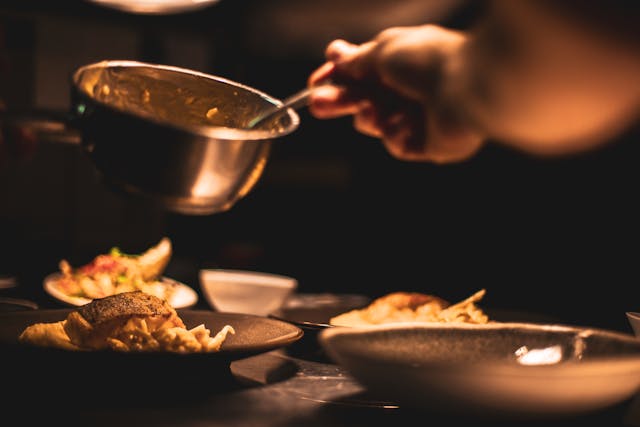
But it’s not just about the decor. The presentation of dishes has become an art form in itself. At Atera in Tribeca, each course is a miniature sculpture, meticulously crafted to evoke emotions and tell a story. The restaurant’s tasting menu is a journey through abstract expressionism, with each plate a canvas for the chef’s creativity.
These establishments blur the lines between gallery and restaurant, offering patrons a multi-sensory experience that feeds both the stomach and the soul. As you savor each bite, you’re also consuming the visual artistry that surrounds you, making dining out in New York an unforgettable adventure for all the senses.
Edible Masterpieces: When Food Becomes the Medium
In the heart of Chelsea, a new wave of artists is emerging, armed not with paintbrushes and chisels, but with whisks and piping bags. These culinary artists are turning traditional notions of food on their head, creating edible installations that challenge our perceptions of what constitutes art.
One such pioneer is Jennifer Rubell, whose interactive food installations have graced galleries across the city. Her work “Padded Cell,” a room lined with pink cotton candy that visitors could pluck and eat, blurred the lines between consumption and contemplation. It raised questions about indulgence, excess, and the ephemeral nature of both food and art.
Meanwhile, at the Museum of Food and Drink (MOFAD) in Brooklyn, exhibitions regularly feature interactive edible components. Visitors might find themselves tasting historical recreations of ancient dishes or sampling flavor combinations that challenge their palates. These experiences not only educate but also elevate food to an art form worthy of museum display.
The rise of edible art installations in New York City is a testament to the city’s innovative spirit. It challenges us to reconsider our relationship with food, transforming it from mere sustenance into a medium for artistic expression and cultural commentary.
Culinary Performance Art: Dining as Theater
New York’s vibrant theater scene has long been a draw for locals and tourists alike. But now, a new form of performance art is taking center stage: culinary theater. This unique blend of gastronomy and dramaturgy offers diners an immersive experience that engages all the senses.
At the forefront of this movement is the Secret Theater in Long Island City, which hosts regular “Dinnerlogue” events. These intimate gatherings combine a multi-course meal with live performances, where actors weave stories between dishes, and the food itself becomes a character in the narrative. It’s a symbiotic relationship where the flavors enhance the storytelling, and the performances elevate the dining experience.
Another notable mention is the Brooklyn-based company Optical Animal, which creates pop-up dining experiences that are part meal, part performance art. Their events often incorporate elements of virtual reality, projections, and interactive storytelling, all centered around a carefully curated menu. Diners might find themselves on a virtual journey through the Amazon rainforest while sampling dishes inspired by indigenous cuisines.
These culinary performances challenge the traditional boundaries of both theater and dining. They invite participants to engage with their food on a deeper level, considering not just taste and presentation, but also the cultural, historical, and emotional contexts of what they’re consuming. It’s a uniquely New York experience that reflects the city’s love for innovation and its penchant for blending diverse art forms.
Street Art Meets Street Food
New York’s streets have long been a canvas for graffiti artists and muralists. Now, the city’s vibrant street food scene is joining the party, creating a delicious dialogue between visual and culinary arts. Food trucks and carts, once purely functional, are being transformed into mobile masterpieces that reflect the creativity of the chefs within.
Take a stroll through the Lower East Side, and you might come across the “Wafels & Dinges” truck, its exterior a vibrant homage to Belgian comic art. Or venture into Bushwick to find the “Stuf’d” truck, adorned with a mural that tells the story of the neighborhood’s culinary heritage. These moving canvases not only catch the eye but also create a visual narrative that complements the food being served.
But the intersection of street art and street food goes beyond aesthetics. Many food vendors are collaborating with local artists to create limited-edition packaging or special menu items inspired by art movements. The result is a unique fusion of flavors and visuals that captures the essence of New York’s creative spirit.
This trend is breathing new life into the city’s streetscape, turning everyday corners into pop-up galleries and gourmet destinations. It’s a testament to New York’s ability to find art in the most unexpected places and turn even the most mundane aspects of city life into opportunities for creative expression.
Intersections of Art and Sustainability
In a city known for its fast-paced lifestyle and constant consumption, a new movement is emerging at the intersection of food, art, and sustainability. Innovative chefs and artists are joining forces to create dining experiences that not only please the palate and the eye but also raise awareness about environmental issues.
One standout example is Dan Barber’s Blue Hill at Stone Barns, located just outside the city. While not strictly an art installation, the restaurant’s approach to cooking is deeply rooted in artistic principles. Barber’s “waste-fed pig” program, which turns kitchen scraps into gourmet pork, is a living sculpture that challenges our perceptions of food waste and agricultural practices.
In Brooklyn, the Salvage Supperclub takes the concept even further. Diners enjoy multi-course meals made entirely from food that would otherwise be discarded, all while seated in a repurposed dumpster transformed into an intimate dining space. It’s a powerful statement on food waste, presented in a way that’s both visually striking and gastronomically satisfying.
These initiatives are more than just restaurants or art projects; they’re catalysts for change. By presenting sustainability in such creative and engaging ways, they’re sparking conversations about our food systems and inspiring New Yorkers to think differently about what they eat and how it’s produced.
Food and Art Intersections
As we’ve explored in this culinary journey through New York City, the intersection of food and art is a vibrant and ever-evolving landscape. From avant-garde restaurant designs to edible installations, culinary performances to street art food trucks, and sustainable dining experiences, the Big Apple continues to push the boundaries of creativity in both gastronomy and visual arts.
This fusion not only enhances our dining experiences but also challenges us to think more deeply about what we consume and how we interact with art in our daily lives. It’s a testament to New York’s enduring spirit of innovation and its ability to find beauty and meaning in the most unexpected places.
As you explore the city, keep your eyes – and your taste buds – open. You never know where you might stumble upon the next delicious masterpiece that feeds both body and soul. In New York, every meal has the potential to be a work of art, and every artwork might just inspire your next culinary adventure.

